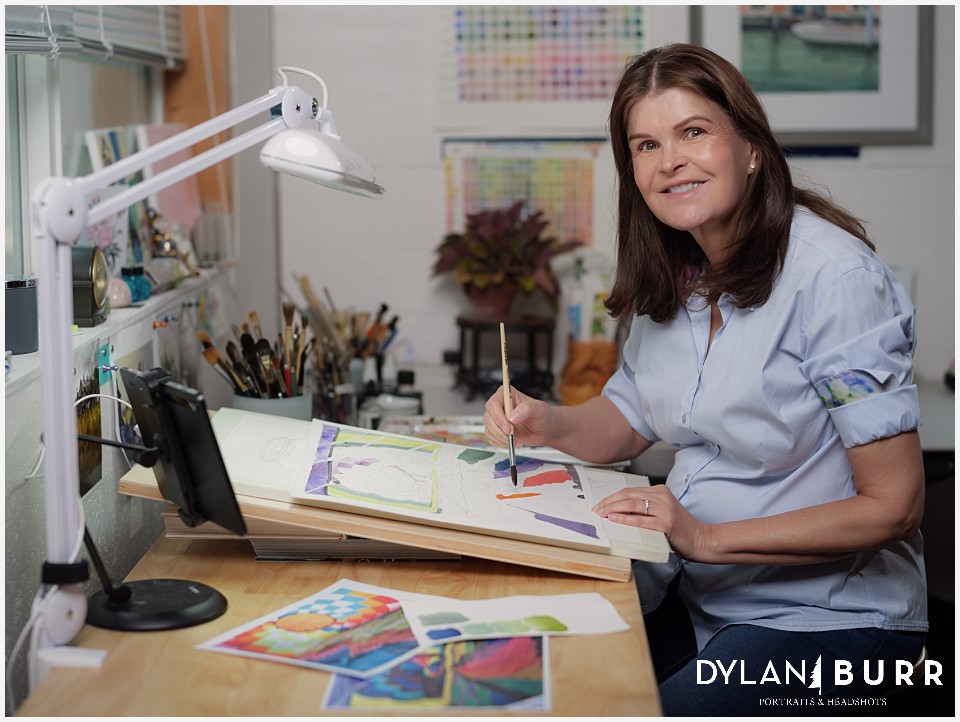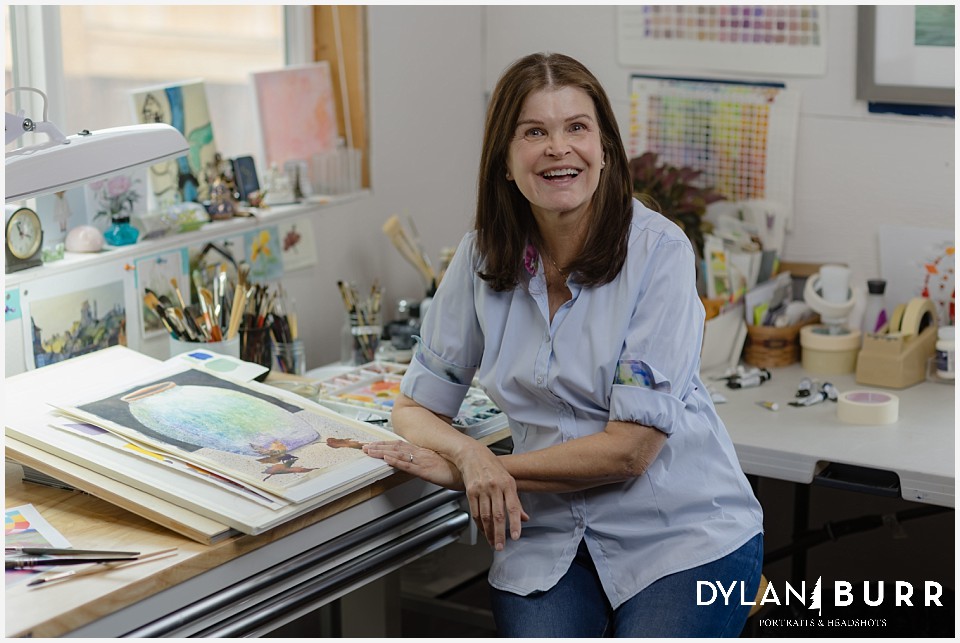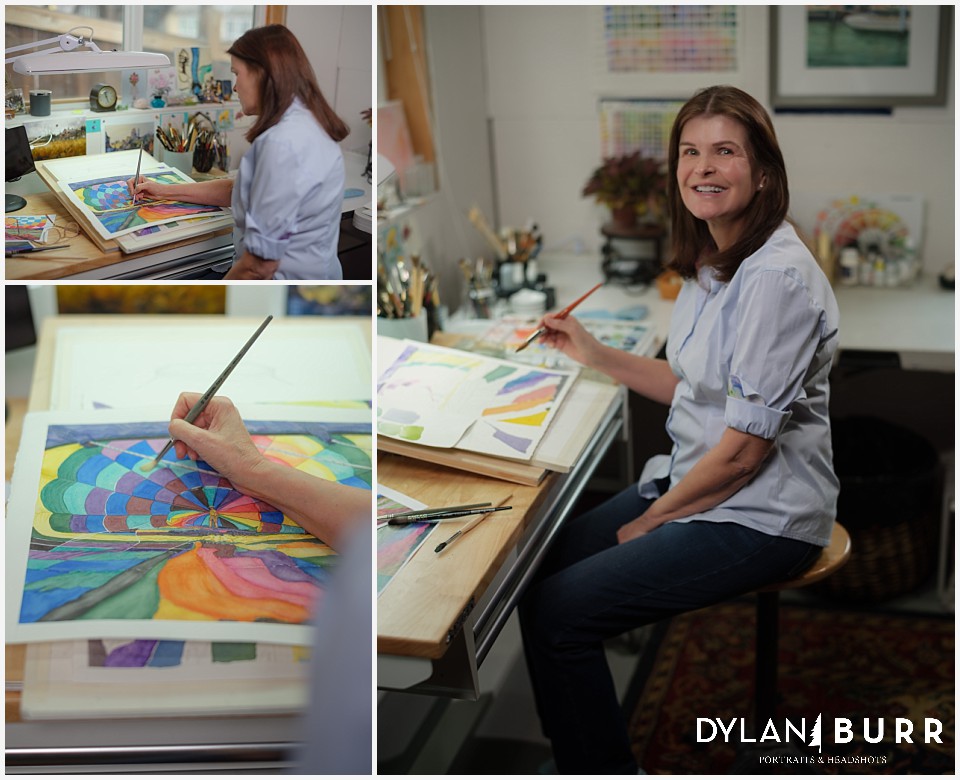
Watercolor Artist
branding photography session
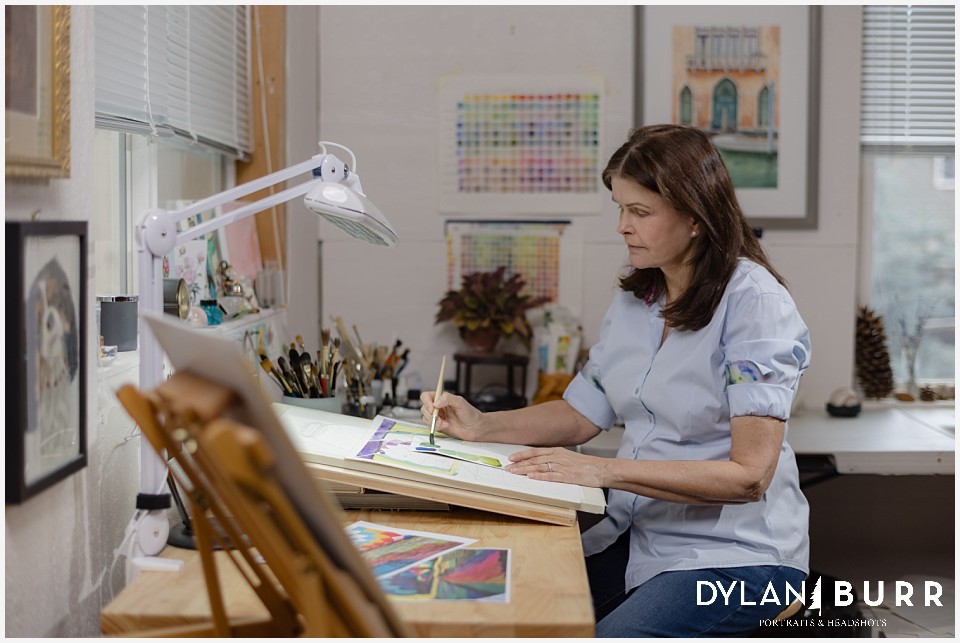
PROJECT: Branding & Marketing Materials Photo Session
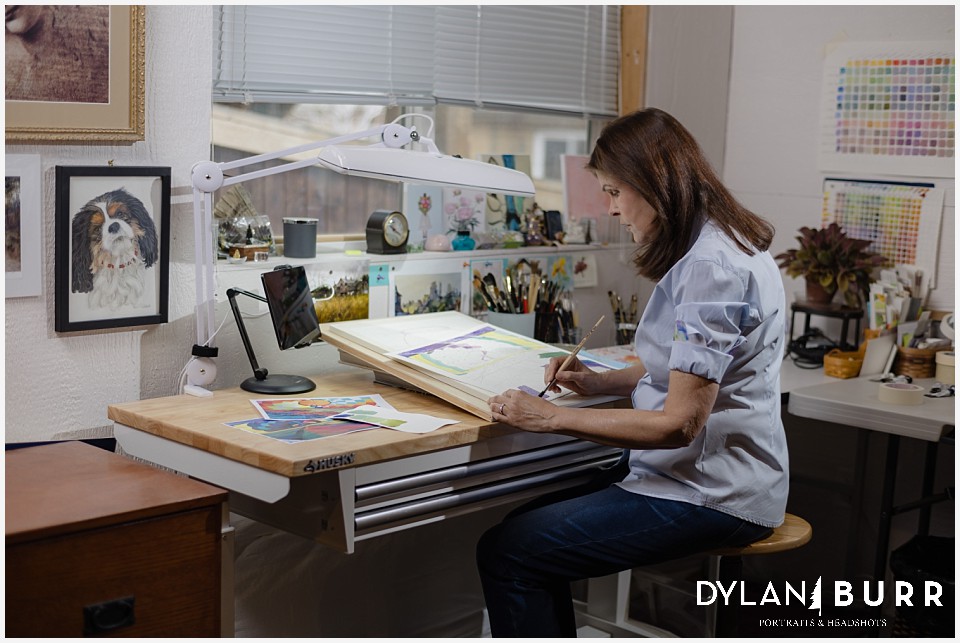
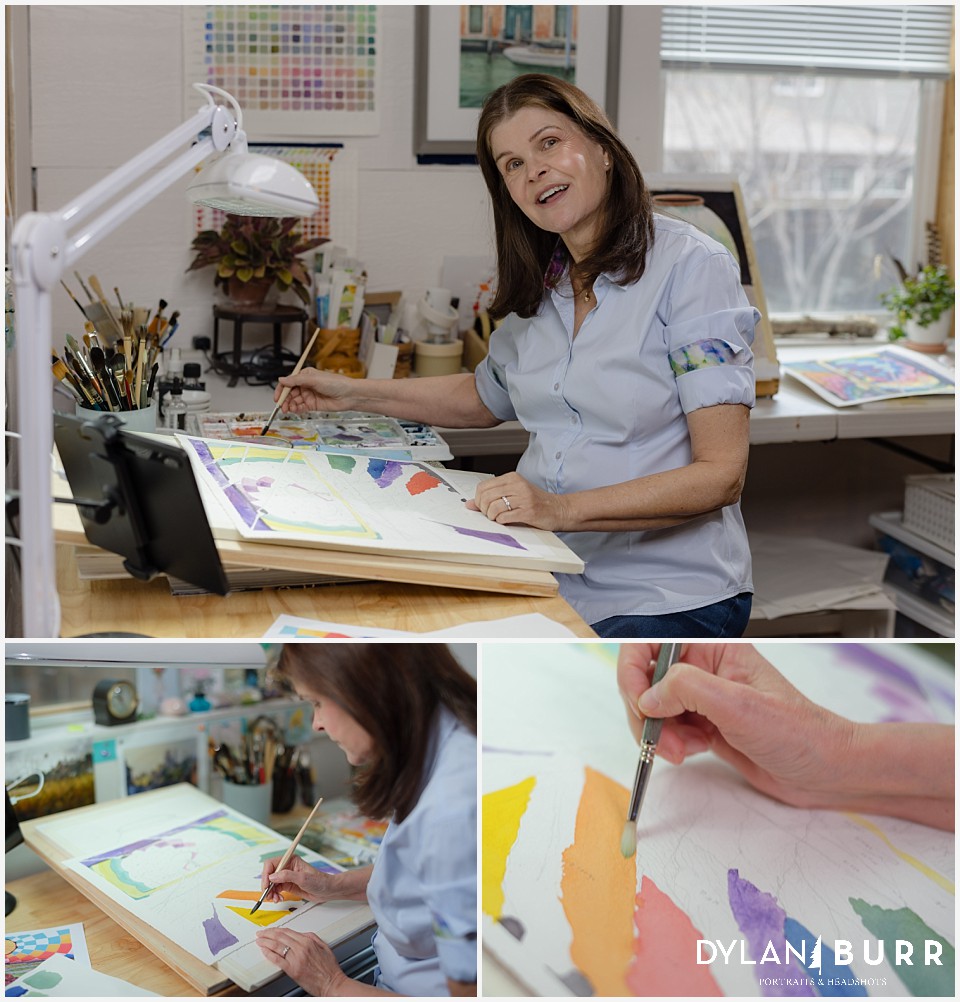
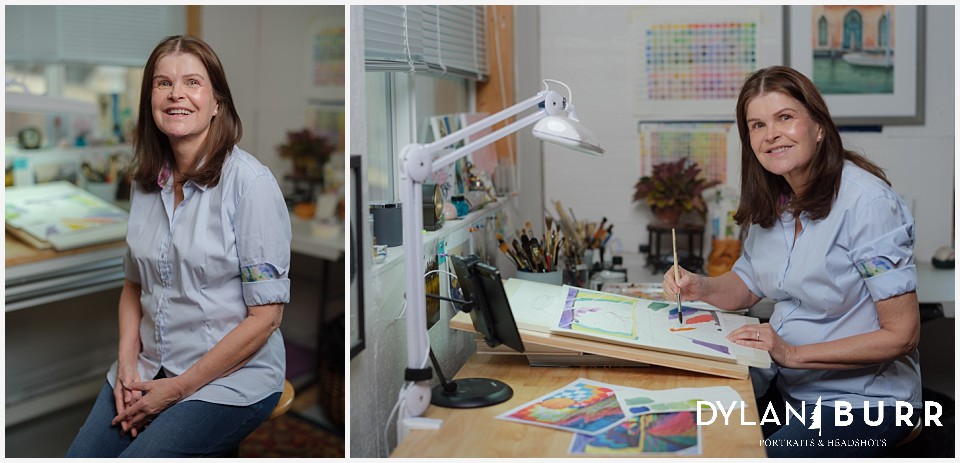
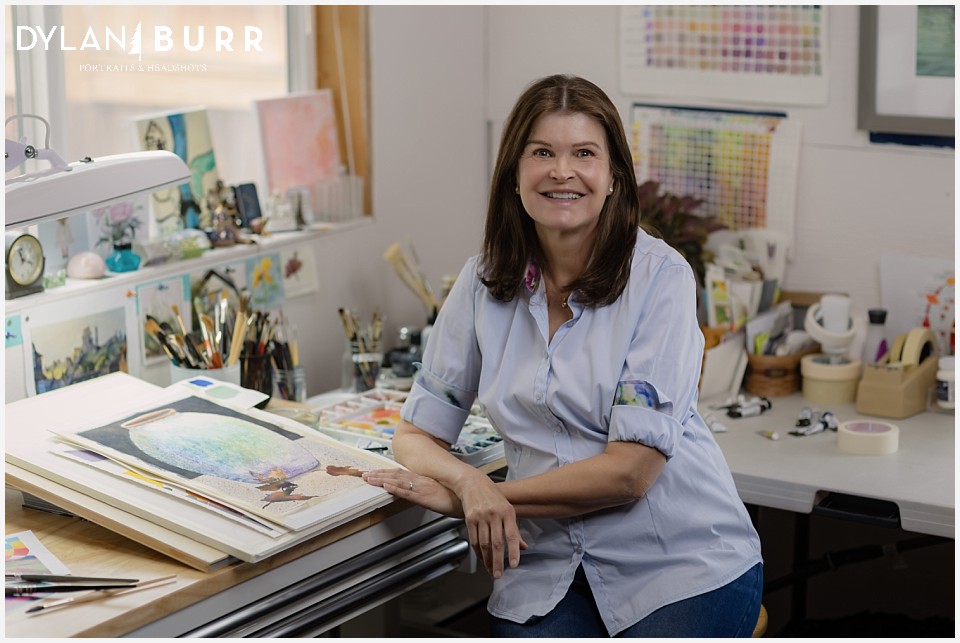
Linda contacted me for a branding photo session to produce a handful images to include with her art submissions and to add to her artist statements and CV. Linda's use of color saturation and texture is what makes her work stand out. She's also a very sweet person. So I set out to capture both aspects during this session. Most recently she had her work selected for an exhibition and featured on Forbes.com. The resulting visual assets will give her lots of uses for promotional placements and for future exhibitions.
Here are some key tips for planning your
branding photography session.
- Define Your Brand’s Vision and Goals
- Understand Your Target Audience
- Create a Shot List
- Choose the Right Location
- Work with a Professional Photographer
- Plan Your Branding Elements
- Prepare for the Day of the Shoot
- Think About Your Image Library
- Be Yourself!
Clarify your brand message: Before booking your session, make sure you have a clear understanding of your brand’s personality, tone, and values. Are you aiming for a professional, polished look, or a more casual, relatable vibe? Set specific goals: What do you want your photos to achieve? Are you creating content for your website, social media, or marketing materials? The purpose will dictate the style, location, and type of images you need.
Think about who you are trying to connect with. Your branding photos should speak directly to your ideal client or customer. Consider their tastes, values, and aspirations, and create images that resonate with them.
Plan for variety: Think about the different types of photos you'll need. Common shots for branding include: Portraits of you or your team Lifestyle shots that show you in action (working, interacting with clients, etc.) Product or service shots (if applicable) Environmental shots (office, workspace, studio, etc.) Outfit changes: Plan for at least 2-3 outfit changes to showcase different facets of your brand. You may want one casual look, one professional, and one that’s more creative or bold. Props and accessories: Consider using props that align with your brand (e.g., notebooks, tech, products). These help to tell your brand story and make your photos feel more personalized.
Studio vs. On-location: Decide whether you want studio shots (clean, controlled environment) or lifestyle shots that show your brand in a real-world setting (office, co-working space, home office, outdoor locations, etc.). Brand alignment: Make sure the setting matches your brand identity. A tech startup might go for sleek, modern locations, while a wellness brand might prefer natural, calming spaces.
Choose the right photographer: Find someone who understands your brand and has experience with branding photography. Check their portfolio to ensure their style aligns with your vision. Communication is key: Be clear about your needs and vision. Share your shot list, examples of photography you like, and any specific details about your brand's colors and aesthetic.
Incorporate brand colors: Make sure your outfits, props, and backgrounds align with your brand’s color palette. Use your logo or brand elements: If it fits naturally, consider incorporating your logo or other brand symbols in some shots. This could be on a laptop, notebook, or other items you use.
Wardrobe prep: Plan and lay out your outfits in advance. Avoid overly busy patterns or logos unless it’s part of your brand's style. Grooming and hair: Make sure you’re well-groomed and your hair is styled as you’d like it to be in the photos. You want to feel confident and comfortable. Practice poses: While you don’t need to be a professional model, it can be helpful to practice different poses in front of a mirror so you feel natural during the shoot. You can also ask your photographer for guidance on poses.
Think long-term: Consider how these photos will work for you over time. You may want to create a library of images that you can use across multiple platforms (website, social media, email marketing, etc.). Be sure to get a variety of shots that will serve different purposes.
Authenticity is key to creating images that truly represent your brand. Relax, be yourself, and let your personality shine through. Genuine expressions and candid moments tend to resonate most with audiences.